

Numbers on footballers' shirts - What do they mean?
The numbers on the players' shirts
is much more than just numbers on back players. It is a whole history of tradition, symbolism and tactics in the footballwhich dates back to the early 20th century. Contemporary player carries number alonewhich may define not only its position on the pitchbut also a place in football history.
History of numbering in football attire
The idea of numbering T-shirts first appeared in 1911 in Australia, where it was found to be the simplest method of identification players on pitch. This innovation arrived in Europe much later - for example England's first official match with numbers took place on 25 August 1928, when Arsenal faced Sheffield Wednesday.
Nevertheless, to match with numbers was used gradually. In the early years, the hosts played with numbers 1-11 and the visitors received 12-22. It was not until 1939 that the international football federation made it compulsory to number players according to their position on the pitch.
A turning point in the history of numbering was in 1993, when the Premier League has authorised individual numbers footballers. From then on, the player could perform with the digit of his choice throughout the season, regardless of the position in the squad.
Classic item numbering system
Traditional scheme numbering was based on the popular 4-4-2 formation and for decades defined which numbers former reserved for specific items.
Goalkeeper - number 1
Goalkeeper is the only player on pitch, who can use his hands in the penalty area. Its role is to protect the goal against shots rivalsbut contemporaries goalkeeper They are also often involved in playing the ball. The main task of the goalkeeper remains, however, not to allow scoring goals by opponents.

Defensive line - numbers 2-5
Defendersalso sometimes referred to as stopwatches In the classic setting, they were given numbers 2-5, with each position having its own specific tasks:
Right defender traditionally wore the number 2 on his jersey. Occurring on the right fields, his role was to deter attacks rivals from the left flank and supporting their own offensive actions.

Left defender was given the number 3, with analogous functions on the left side pitch. Both right and left defenders had to be versatile, combining defensive tasks with involving w attack.

Central defenders played with numbers 4 and 5, forming the heart of the defensive line. They stood directly in front of goalkeeper and were responsible for making life difficult attackers opposite team.

Midfield - numbers 6 and 8
Central midfielders were given numbers 6 and 8, performing a variety of functions at the centre of the pitch:
Number 6 was reserved for a defensive midfielder whose main task was to break up attacks rivals inside fields and launching offensive actions team. Defensive midfielders excellent durability and versatility were required.
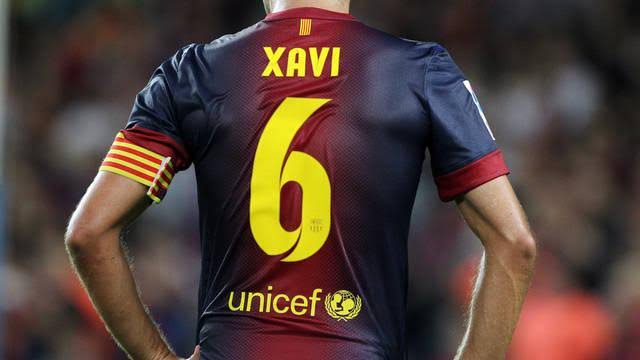
Helpers with the number 8 had more offensive tasks, supporting both the defence as well as attack. Modern ball requires them to have a high level of technical and tactical training.

Offensive line - numbers 7-11
Wingers played with the numbers 7 and 11, playing on the side sectors pitch, usually in offensive. They had to work with the offensive midfielder and forwardTherefore, the required qualities are stamina, technique and good finishing of actions.

Central striker was numbered 9 and was responsible per scoring. This position has become synonymous with efficiency in attack, a number alone 9 is still associated with the world's best snipers today.

Number 10 was reserved for an offensive midfielder who played just behind forward as a key playmaker. Its role was to assist and scoring, characterised by excellent technique, dribbling and precise passing.

Legendary figures and their numbers
Robert Lewandowski - iconic number 9
Robert Lewandowski is one of the best attackers in the world, known for the number 9 on his jersey. Featured currently at FC Barcelona carried this number at both Borussia Dortmund and Bayern Munich and in most of his national team appearances. Polish.
It is interesting to note that Lewandowski does not always played with nine. At Lech Poznań carried Number 8, as the nine was occupied by Piotr Reiss. In his first season at Dortmund, he had the number 7 and only later took over his trademark nine.
Cristiano Ronaldo and the legendary seven
Cristiano Ronaldo is probably the most recognisable player with the number 7 in football history. Played with this number in Manchester United, Real Madrid, Juventus and currently at Al-Nassr. Only for one season at Real Madrid did he appear with the number 9when the seventh was occupied by the legendary Raula.
W Manchester United number 7 is of particular importance - carried him legends such as George Best, Eric Cantona, David Beckham and, precisely, Ronaldo. When the Portuguese returned to United in 2021, Edinson Cavani gave him his seven without hesitation.
Evolution of the meaning of numbers
From tradition to individuality
Today, the importance of numbers on football shirts has changed significantly. FIFA allows clubs use on T-shirts footballers numbers ranging from 1-99, which gave players freedom of choice.
Nevertheless traditional numbers still have their importance. For example, number 10 is still associated with creative playersand the nine remains a symbol of effective attacker.
Unusual number stories
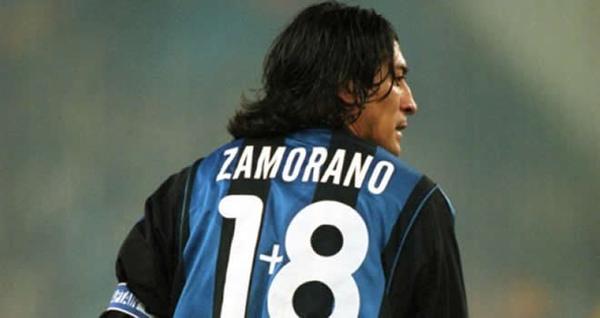
History footballers knows many unusual numbering cases. Ivan Zamorano at Inter Milan carried number '1+8' after Ronaldo took over his nine. Jorge Campos, Mexican goalkeeper, played with the number 9, which was unprecedented in the world.
There were even more unusual situations in the national teams. In Argentina in the 1970s and 1980s, numbers were allocated alphabetically by name footballersby which goalkeeper Ubaldo Fillol played with the number 7.
In modern times, on the other hand, it has strongly surprised Samuel Eto'owho represented the colours of Everton FC in the 2014/15 season and, as a centre forward, opted to play with the number... 5.

Contemporary trends in numbering
Technology and the future of numbers
Modern ball Football is making increasing use of technology. Systems such as VAR, goal-line and data analysis are changing the way the game is perceived. Perhaps in the future numbers on T-shirts will have other functions, for example integrating with tracking systems players.
Video analytics and artificial intelligence are already helping clubs in talent identification. W railways this may affect the way in which numbers young players.
Marketing relevance
Numbers footballers have also become part of marketing. T-shirts with the numbers of stars such as Cristiano Ronaldo or Robert Lewandowski are selling in huge quantities. Hit sales are costumes with the numbers of legends, which are often reserved or withdrawn from use.
Numbers in different formations
Modern football formations have diverged significantly from the classic 4-4-2. In systems such as 4-3-3, 3-5-2 or 4-2-3-1, the traditional position numbering is modified.
In a 4-3-3 formation central midfielders perform a variety of roles, from purely defensive to more creative. Wingers in this system often resemble traditional attackers, a itself centre forward can be supported by two internal helpers.
The 3-5-2 formation places more emphasis on helpers side players who must cover the entire wings. In such an alignment, the traditional roles of right and left defenders shuttlers take over.
Psychological aspects of the numbers
For many footballers number on the T-shirt has a huge psychological impact. Competitors often choose numbers associated with important dates in their lives, lucky numbers or the desire to emulate their idols.
For example, the young footballers often dream of the nine because of the Robert Lewandowski Or about the number ten being inspired by Lionel Messi. This emotional bond with a number can have a real impact on performances player on pitch.
The future of numbering in football
Developments in technology and changing tactical trends may in future affect the perception of numbers on T-shirts. Perhaps the traditional meanings of positions will become even more fluid, and the numbers become solely a matter of personal choice players.
Nevertheless history and tradition football suggest that certain numbers will always have a special meaning. The nine will probably remain a symbol of attacker, and ten - a creative playmaker, regardless of the tactical evolution of the game.
Contemporary ball football shows that the numbers on the players' jerseys is a fascinating mix of tradition, tactics and personal stories players. From the first attempts to identify players in 1911 to today's marketing phenomenon, numbers remain an integral part of football culture, linking the past to the future of this beautiful game.
If you are interested in this article read also other of our blog posts:
How do you wash football shirts properly?
TOP 10 - Goalkeeper jerseys of the 1990s
FAQ - Frequently asked questions and answers
Can the number on the jersey be changed during the season?
No, in most cases the numbers on the jerseys cannot be changed during the season. The rules of FIFA and the individual leagues make it clear that player must occur with the same number throughout the entire playing season. The only exception is if footballer changes club during the transfer window - then he can get a new number in its new team.
This rule has practical significance for judges who identify players by the numbers on back during match. It also means that young players who find their way into the first squad during the season often have to play with the high numbers (e.g. 30, 40 or even three digits) with which they were registered at the start of the competition. Changes are only possible between seasons, when clubs can submit new rosters footballers with allocated numbers.
Why do goalkeepers traditionally wear number 1?
The number 1 for the goalkeeper is a tradition dating back to the 1930s, when systematic numbering of positions from 1 to 11 was introduced. Goalkeeper as the last line of defence and the only player, who can play with his hands in his penalty area, was given the first position in this hierarchy. Its role is to protect the gateway from rivals, therefore number alone 1 symbolises a prominent position in the defence.
Nevertheless, this tradition is no longer as rigid as it once was. For example, Jan Tomaszewski played with number 2 during the 1974 World Cup, which was the result of an administrative error by the Polish Football Association. Today, many goalkeepers chooses other numbers - currently popular is number 13, 23 or even 99. Some goalkeepers, like Jorge Campos, carried even number 9, combining goalkeeping duties with playing in the attack.
What numbers are most commonly reserved at football clubs and why?
The most commonly reserved numbers are those of club legends and the symbolic number 12 for supporters. Number 12 in many clubs worldwide is reserved for fans, considered the "twelfth player" team. For examplein many European bands no footballer cannot select this digit.
Individual numbers are reserved for footballerswho have made a particular mark on the history of a particular club. Paolo Maldini has the reserved '3' at AC Milan, where played throughout his career. At Manchester United he is particularly respected number 7, which carried legends such as George Best, Eric Cantona, David Beckham or Cristiano RonaldoHowever, reserved is not. Some clubs temporarily reserve numbers for the injured players - Such was the case with Lukas Podolski at FC Köln. The latest and most famous case of a number being reserved, is 20 in Liverpool in honour of the tragically deceased in 2025 Diogo Joty.


 Polish
 English
 German